
Compare omega-3
13 Vitamins from established makers · Selection index 96.5 −4.6% 7 d · avg €21 · as of 18/10/2026
Price table · 13 Vitamins
 NAT·ELEMENTSnatural elements Omega 3 – 365 Kapseln€28±0.0%
 MOE·MOLLERSMoller’s ® | Lebertran Kapseln€13−46.7%
 DOP·OMEGADoppelherz Omega-3 1400€13±0.0%
 ESN·OMEGAESN Omega-3 60 Kapseln, 20 Portionen€15−5.4%
 ESN·OMEGAESN Omega-3-300 Kapseln, 100 Portionen€47−2.7%
 PRO·OMEGAOmega-3 vegan INTENSE - 60 Kapseln - 2000 mg Algenöl pro Tag€21±0.0%
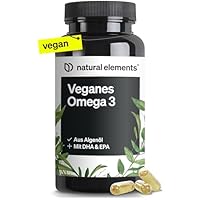 NAT·OMEGAOmega 3 vegan aus Algenöl - 90 Kapseln€23±0.0%
 DOP·OMEGADoppelherz Omega-3 Kapseln Nahrungsergänzungsmittel Vitamin€19±0.0%
 NAT·OMEGAOmega 3 vegan Algenöl hochdosiert 1000mg DHA EPA 30ml€25±0.0%
 NOR·OMEGANorsan Omega 3 Vegan Algenöl fischfrei EPA DHA Vitamin D 100€28±0.0%
 NAT·OMEGAOmega 3 Kapseln hochdosiert aus Fischöl 2000mg mit EPA & DHA€30±0.0%
 ESN·OMEGAESN Omega-3 Kapseln 60stk€8−4.5%
 ESN·OMEGAESN Omega-3 Fischöl Softgel-Kapseln mit EPA & DHA€9±0.0%
- NAT·ELEMENTSnatural elements Omega 3 – 365 Kapseln – 2000mg Fischöl pro TagesdosisCapsules · Omega-3€28±0.0%±0.0%±0.0%
- MOE·MOLLERSMoller’s ® | Lebertran Kapseln | Omega-3-Fettsäuren DHA & EPACapsules · Omega-3€13−46.7%–−30.2%24 d
- DOP·OMEGADoppelherz Omega-3 1400Capsules · Omega-3€13±0.0%±0.0%±0.0%
- ESN·OMEGAESN Omega-3 60 Kapseln, 20 PortionenCapsules · Omega-3€15±0.0%−5.4%−5.4%
- ESN·OMEGAESN Omega-3-300 Kapseln, 100 Portionen, ohne fischigen NachgeschmackCapsules · Omega-3€47±0.0%−2.7%−7.0%
- PRO·OMEGAOmega-3 vegan INTENSE - 60 Kapseln - 2000 mg Algenöl pro TagCapsules · Omega-3€21±0.0%±0.0%±0.0%29 d
- NAT·OMEGAOmega 3 vegan aus Algenöl - 90 KapselnCapsules · Omega-3€23±0.0%±0.0%±0.0%
- DOP·OMEGADoppelherz Omega-3 Kapseln Nahrungsergänzungsmittel Vitamin E EPA DHACapsules · Omega-3€19±0.0%±0.0%±0.0%16 d
- NAT·OMEGAOmega 3 vegan Algenöl hochdosiert 1000mg DHA EPA 30ml AlgenkraftOmega-3 · 1000 mg€25±0.0%±0.0%±0.0%22 d
- NOR·OMEGANorsan Omega 3 Vegan Algenöl fischfrei EPA DHA Vitamin D 100 ml PZNOmega-3 · 100 ml€28±0.0%––
- NAT·OMEGAOmega 3 Kapseln hochdosiert aus Fischöl 2000mg mit EPA & DHACapsules · Omega-3€30±0.0%±0.0%±0.0%
- ESN·OMEGAESN Omega-3 Kapseln 60stkCapsules · Omega-3€8±0.0%−4.5%−4.5%11 d
- ESN·OMEGAESN Omega-3 Fischöl Softgel-Kapseln mit EPA & DHA NahrungsergänzungCapsules · Omega-3€9±0.0%––
Omega-3 supplements vary widely in their EPA and DHA content. Here you can compare fish oil, algae oil and cod liver oil capsules and find out which label details really count.
EPA and DHA: what really matters
Omega-3 fatty acids is an umbrella term. For food supplements, the long-chain fatty acids EPA (eicosapentaenoic acid) and DHA (docosahexaenoic acid) are the most relevant. There are authorised claims for them: EPA and DHA contribute to the normal function of the heart – with a daily intake of 250 mg EPA and DHA. DHA contributes to the maintenance of normal brain function and normal vision, likewise from 250 mg DHA per day.
So don't look at the amount of fish oil; look at the EPA and DHA content per daily dose. “2,000 mg fish oil” can mean very different amounts of EPA and DHA depending on the concentration.
Fish oil, algae oil or cod liver oil?
Fish oil is the classic source and usually the cheapest per milligram of EPA and DHA. Algae oil comes from microalgae, is vegan and mainly provides DHA, increasingly EPA as well. Incidentally, fish obtain their omega-3 fatty acids from algae themselves. Cod liver oil also contains vitamins A and D – here you should keep an eye on your total intake of these vitamins, especially during pregnancy.
- Compare EPA and DHA content per daily dose
- Form: triglyceride form (TG/rTG) or ethyl ester (EE)
- Protection against oxidation, e.g. with vitamin E, and freshness
- Origin and sustainability labels for fish oil
- Vegan: algae oil with DHA and EPA stated
How much makes sense – and when to be careful?
If you eat oily sea fish such as salmon, herring or mackerel once or twice a week, you already take in appreciable amounts of EPA and DHA. EFSA considers an additional intake of up to 5 g EPA and DHA per day to be safe for adults. Most products are far below that.
If you take anticoagulant medication or have an operation coming up, discuss taking omega-3 supplements with your doctor beforehand.
Important notice
Food supplements are no substitute for a balanced, varied diet or a healthy lifestyle. If you have a pre-existing condition, are pregnant or breastfeeding, or take medication regularly, ask a doctor or pharmacist for advice before taking them. Do not exceed the recommended daily intake stated on the pack. The information on this page is for general guidance only and is no substitute for individual advice.