
Guide
Vegan diet: the nutrients you should keep an eye on
A well-planned vegan diet can be healthy – provided you pay attention to a few nutrients. Here you'll find out which ones they are, how to cover them through food and where a supplement makes sense or is necessary.
Updated 7 min readEditorial team wovitamine.de
The key points first
The German Nutrition Society (DGE) updated its position on vegan diets in 2024. According to it, a vegan diet can be a health-promoting way of eating for healthy adults – if it is well planned and vitamin B12 is supplemented permanently. Other nutrients are considered potentially critical and should be consciously covered through food choices or, if needed, supplements.
For pregnant and breastfeeding women, infants, children and adolescents, the DGE considers the evidence insufficient to recommend a vegan diet across the board. Anyone eating vegan during these stages of life should be supported by a doctor and a nutrition professional.
Vitamin B12: non-negotiable
Vitamin B12 occurs in appreciable amounts only in animal foods. Seaweed, sauerkraut or mushrooms are not reliable sources – they often contain B12-like compounds that are inactive in the body. Anyone on a vegan diet therefore needs a B12 supplement or B12-fortified foods on a permanent basis.
Vitamin B12 contributes, among other things, to normal red blood cell formation and normal functioning of the nervous system. Because the body can store B12 for years, an inadequate supply often only becomes apparent late. Have your status checked regularly by a doctor; meaningful markers include holotranscobalamin or methylmalonic acid, not just the total B12 level in the blood.
Vitamin B12 price comparison
Ad All products linked with "View offer" are commission (affiliate) links: if you buy through them, we earn a commission – the price stays the same for you. As an Amazon Associate and eBay Partner Network affiliate we earn from qualifying purchases. Learn more
 Ad−31%
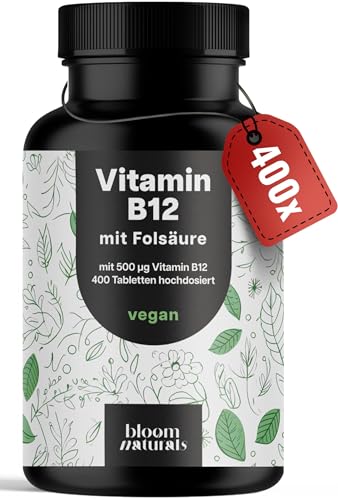
Vitamin B12 hochdosiert mit Folsäure – 400 Tabletten – 500 µg pro Tag
 Ad−10%
natural elements Vitamin B12 – 180 vegane Tabletten für 6 Monate …
 Ad−30%
 Ad
AdVITAMIN B12 hochdosiert - 365 Tabletten mit 500 µg Vit B12 + 200 µg …
Vitamin D
Vitamin D is not a specifically vegan problem, as people on a mixed diet also get little of it from food. What matters is the skin's own production in the summer months. In winter, or if you spend little time outdoors, supplementing can make sense. Note: classic vitamin D3 is obtained from wool fat and is not vegan. Vegan products use D3 from lichen or vitamin D2.
Iodine
The main sources of iodine in Germany are sea fish, dairy products and iodised table salt. On a vegan diet, the first two are ruled out. That makes consistently using iodised table salt particularly important – at home and ideally also in bread and ready-made products. Iodine contributes to the normal production of thyroid hormones and normal thyroid function.
Dried seaweed can contain extremely high and widely fluctuating amounts of iodine. The BfR advises against seaweed products that do not state their iodine content, as an excessive iodine intake can also harm the thyroid. Whether you need an iodine supplement is best discussed with a doctor, particularly if you have a thyroid condition.
Omega-3 fatty acids
Plant foods provide the omega-3 fatty acid alpha-linolenic acid (ALA), for example from linseed oil, rapeseed oil, walnuts, chia seeds and linseeds. The body can convert ALA into the long-chain fatty acids EPA and DHA only to a small extent. If you want to take these in directly, choose algae oil – the original source from which fish also obtain their omega-3 fatty acids.
Among the authorised claims is that DHA contributes to the maintenance of normal brain function and normal vision, with a daily intake of 250 mg DHA. So when buying algae oil capsules, check the stated amount of DHA and EPA per daily dose.
Omega-3 from algae oil
Ad All products linked with "View offer" are commission (affiliate) links: if you buy through them, we earn a commission – the price stays the same for you. As an Amazon Associate and eBay Partner Network affiliate we earn from qualifying purchases. Learn more
 Ad−15%
 Ad−5%
Ad−5% Ad
AdOmega 3 aus Algenöl, 120 Softgel Kapseln, 2000mg pro Tag DHA …
 Ad
AdOmega 3 vegan Algenöl hochdosiert 1000mg DHA EPA 30ml Algenkraft NATURTREU®
Iron and zinc
Pulses, wholegrains, oats, nuts, seeds and green vegetables provide plenty of iron and zinc. However, both are less well absorbed from plant foods because substances such as phytate inhibit absorption. Soaking, sprouting, fermenting and sourdough reduce the phytate content. Vitamin C from fruit and vegetables in the same meal improves iron absorption, while coffee and black tea with meals reduce it.
You should not take iron supplements on a hunch, only when a need has been established by a doctor. The same applies to zinc: better to cover it through your diet and keep supplement doses moderate, as a long-term high zinc intake can interfere with copper absorption.
Calcium, selenium and riboflavin
Without dairy products, you need to plan your calcium intake deliberately. Good sources are calcium-rich mineral waters, calcium-fortified plant drinks, kale, broccoli, rocket, almonds, sesame and tofu made with calcium sulphate. Plant foods from Europe often contain only small amounts of selenium because the soils are low in it. Brazil nuts contain a lot of selenium, though the amount varies widely – one or two nuts a day are enough.
Riboflavin (vitamin B2) is found in wholegrains, pulses, nuts, mushrooms and green vegetables. With a varied selection of these foods, a good supply is usually achievable.
Protein: variety rather than a single source
On a vegan diet, protein is usually not a question of quantity but of combination. Plant protein sources contain the essential amino acids in varying proportions. Pulses such as lentils, beans, chickpeas and soya provide plenty of lysine, while cereals tend to provide sulphur-containing amino acids. If you combine pulses, wholegrains, nuts and seeds over the course of the day, you will generally cover your needs well.
Soya products such as tofu, tempeh and soya drinks are particularly rich in protein. Protein powders are unnecessary for most people but can be practical with very high requirements, such as in strength training.
What a well-supplied day looks like
An example shows how the critical nutrients can be covered in everyday life: for breakfast, oats with fortified soya drink, linseeds, walnuts and berries. At lunchtime, a lentil and vegetable curry with brown rice and a glass of orange juice, which improves iron absorption. In the evening, wholegrain bread with hummus, tofu and raw vegetables, plus a salad with a rapeseed oil dressing. Cook with iodised table salt and drink calcium-rich mineral water.
Add the B12 supplement and, in winter, vitamin D if needed. With this basic structure you are well placed for many nutrients. How much of each food you need depends on age, sex and activity – a nutrition consultation can help you check your meal plan.
Choosing supplements wisely
Many vegans get by with just a few targeted supplements: vitamin B12 as the basis, perhaps vitamin D in winter and, if needed, omega-3 from algae oil. Vegan combination products bundle several critical nutrients into one tablet; but check whether the amounts suit you and whether they contain nutrients you don't need at all.
- Vegan labelling also for the capsule shell and coating
- Vitamin B12 in sufficient amounts and taken regularly
- Vitamin D3 from lichen or vitamin D2
- Algae oil with DHA and EPA stated
- Iodine preferably from iodised salt rather than seaweed
- Iron only after a medical check
Check your blood levels regularly
An annual check-up at your GP's practice gives peace of mind. Depending on the situation, useful values include vitamin B12, iron status with ferritin, vitamin D and, if necessary, thyroid values. That way you can spot shortfalls early and respond in a targeted way, instead of combining lots of supplements as a precaution.
Ideally, bring a list of all the supplements you take, including dosages, to your appointment. This makes it easier to interpret the values and helps identify overlaps or unnecessarily high amounts.
Important notice
Food supplements are no substitute for a balanced, varied diet or a healthy lifestyle. If you have a pre-existing condition, are pregnant or breastfeeding, or take medication regularly, ask a doctor or pharmacist for advice before taking them. Do not exceed the recommended daily intake stated on the pack. The information on this page is for general guidance only and is no substitute for individual advice.
FAQ
Do I need to take vitamin B12 as a vegan?
Yes. According to the DGE, a vegan diet requires permanent supplementation of vitamin B12 through supplements or fortified foods.
Does seaweed contain vitamin B12?
Some seaweeds contain B12-like compounds that do not act as a vitamin in the body. They are not a reliable source of B12.
How do I get enough iodine as a vegan?
Mainly by consistently using iodised table salt. Seaweed is not a good solution because of its widely fluctuating iodine content. Whether you need a supplement is something to clarify with a doctor.
Do I need omega-3 capsules as a vegan?
Not necessarily. Linseed oil, walnuts and chia seeds provide ALA. If you want to take in EPA and DHA directly, you can use algae oil.
Is a vegan diet suitable for children?
The DGE considers the evidence for children and adolescents insufficient to recommend a vegan diet across the board. Parents should seek advice from a doctor and a nutrition professional.